


My Bootcamp experience at Juno College
With all that in mind, I committed to giving my all to this experience, and I attended the bootcamp back when it was in-person at Juno’s Toronto campus. My cohort was full of some of the most wonderful people I’d ever had the pleasure to meet, and we all bonded over the sheer amount of learning we did over those 13 weeks.
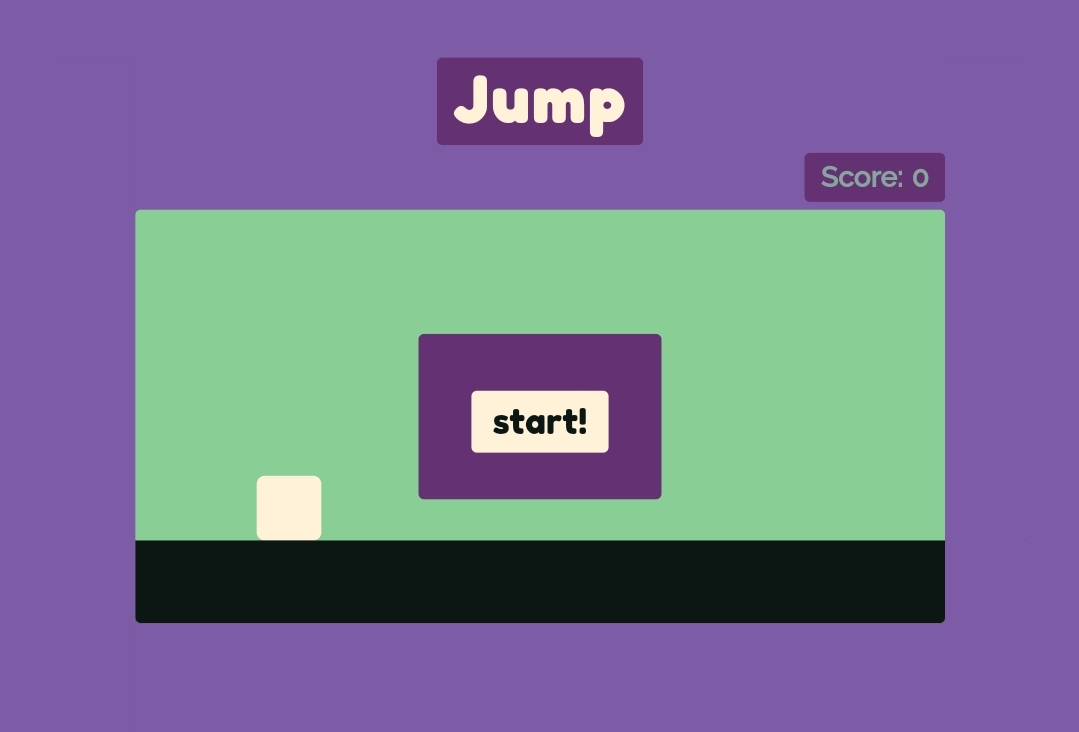
Project Spotlight: A simplified take on the Google T-rex jumping game - try and beat your high score with Jump.
We learned hard skills like version control, external code packages, frameworks, and also essential soft skills such as pseudo-coding, pair programming and working as a team on a larger project. We felt a great comradery, which was very helpful once we finished bootcamp.
The teachers were just as exceptional during the bootcamp experience as they were during my courses: passionate about web development, but more importantly, passionate about helping their students understand and gain confidence.
The final project of bootcamp was to create our own portfolio website, which would serve as a way to show off some of the projects we had worked on. So we started working on our portfolios… and then in February 2020, COVID-19 got to Canada.
In our second last week of bootcamp, our in-person classes were cancelled, and we were told that our career services would be postponed. Our instructors encouraged us to finish our websites as soon as possible and to start applying for jobs as soon as we were ready.
The world events understandably shook us, but Juno showed their flexibility and passion for supporting job seekers. They pivoted from in-person career checkups to doing the same over Zoom. They pivoted from suggesting tech networking events to showing you how to optimize your professional social media presence for online networking.
And beyond that, they still found a way to personalize career advice on a person-by-person basis. For example, I wasn’t as outgoing as some of my peers, so I was encouraged to keep working on personal projects and optimize my LinkedIn profile and Twitter content. I also participated in a hackathon, pushing myself to learn back-end development for a team project where we built a HackerNews clone.
Landing my new job after graduation
Career services were in touch with me weekly until I gave them the excellent news that in August 2020, only four months after graduating, I had gotten my first job as a full-stack developer at a startup called “Mintbean,” the company that hosted the hackathon I attended.
I used my art background as a foot in the door, creating visual assets for our webpage and social media. I then transitioned to working full-time as a developer, creating essential assets only occasionally. While working in the Mintbean codebase, I learned so much about code review, planning features and solving real-world problems like event registration, user access control, and a badge-awarding system.
Around a year after I joined Mintbean, as sometimes happens to startups, there was a significant reduction in staff. A team of around 8 went down to a size of 3, and I decided then was the time for my next role. I simply went on Twitter and announced I was looking for a new job – within a few days, I had several hiring managers reaching out to me to apply to specific positions.
Among my top choices were Shopify, an e-commerce website, and Prodigy Game, an education-based learning tool. After some interviews, I decided to go with Prodigy, a company that I feel values its employees just as much as Juno values its students.


